Let’s start with a story!
The smell of antiseptic hung heavy in the hospital room. Machines beeped softly. It was breaking the uneasy silence. On the bed lay Ramesh Patel who is a fifty-year-old farmer from a nearby village. His body was weak. His breathing was shallow. His eyes were tired but awake. His wife, Meena, sat beside him. She was clutching his hand as if holding onto hope itself.
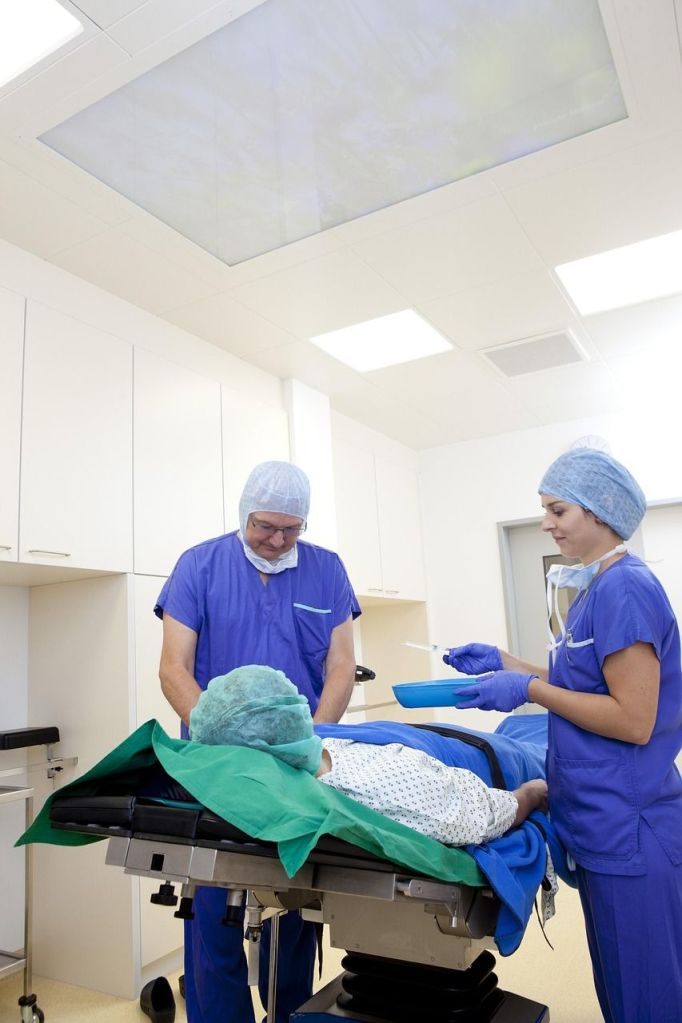
Dr. Sharma, a well known doctor of the city, entered the room. The mask hid his serious face. He had been treating Ramesh for three weeks now step by step as first with one antibiotic, then another, then a stronger one still. But he observed nothing that seemed to work.
“How is he today?” Meena asked softly with a serious face.
Dr. Sharma hesitated. “His fever has not come down much. The infection in his lungs is still spreading day by day. We have tried the usual antibiotics, but……” He stopped mid-sentence with a hopeless voice.
“But what, doctor….?” Ramesh’s son, Amit, interrupted between them, his voice tense. “You said it’s just a normal infection. Why isn’t he getting better? Why are you changing medicine every two or three days?”
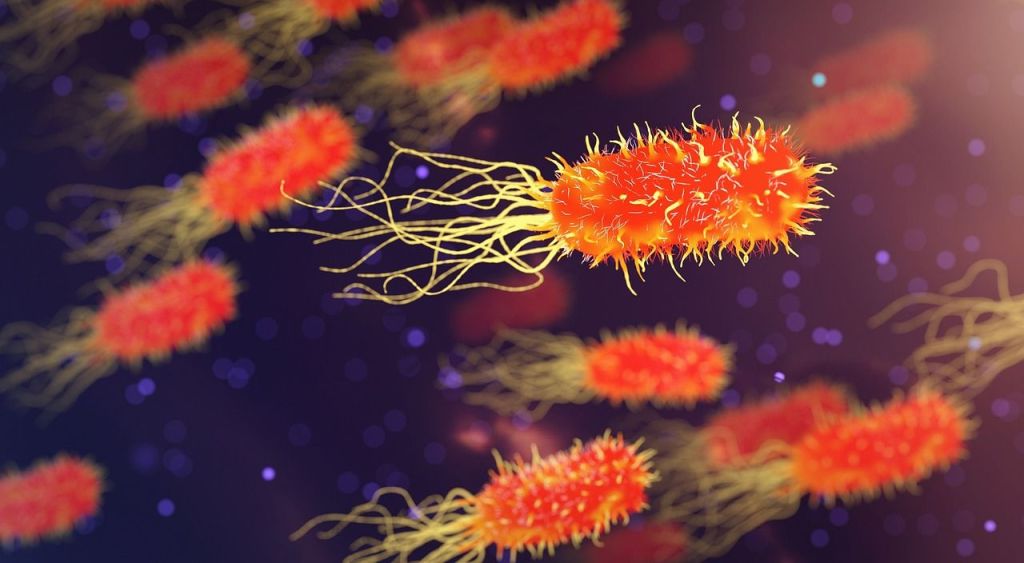
Dr. Sharma sighed, pulling a chair closer and told him . “Amit, the bacteria causing your father’s infection have become resistant. The antibiotics we have been using for years are not killing them anymore. In short, medicines are not effective on your father’s body.”
Meena’s eyes widened. “Resistant? You mean the medicine isn’t working?”
“Yes,” the doctor said quietly. “Over time, bacteria change their characteristic. They learn to fight back against human made antibiotics. When we use antibiotics too often or not properly, the germs adapt. That’s what has happened here, we can see it.”
Amit ran his hand through his hair in frustration and said. “So what now? Isn’t there any stronger medicine which works against bacteria?”
“Yes, We have a few newer options,” Dr. Sharma said carefully, “but they are limited. And they don’t always work. We will run a test to see which antibiotic still has a chance.”
The nurse came in to adjust Ramesh’s IV line.She was carefully doing her work. Meena looked at her husband’s face. His face became pale and covered in sweat. She whispered, “He never missed a dose. He always followed what the doctor said. How can this happen?”
Dr. Sharma nodded slowly. “It’s not his fault, Meena. Around the world, bacteria are evolving faster than our medicines. Farmers use antibiotics for cattle.People take them for colds and cough without any doctor’s prescription. M patients stop their course in halfway. All this provides a strength to bacteria.”
There was a long silence in the room. The rain began tapping against the hospital window, soft but constant.Only rain’s droplets make a sound.
“Will he recover?” Amit asked with a trembling voice.
“I will do everything that I can!,” Dr. Sharma said, his tone firm but compassionate. “We will try a new antibiotic, and we will monitor him closely. But we must be prepared for, this is not an easy fight.”
As the doctor left the room, Meena leaned closer to her husband. She was whispering prayers. She was praying to God for a path for the treatment which helped her husband. The machines continued their slow rhythm, marking each fragile breath.
Outside the room, Dr. Sharma paused in the corridor. He was looking at the long line of patients waiting for help. He thought of the world running out of cures, not because science failed, but because humanity used its miracles carelessly.
But just as despair clouded his thoughts, his phone buzzed with a message from a fellow researcher:
“Indian scientists have developed a new antibiotic, named Naphthimycin. Early tests show it works even against resistant strains. It a good news for medical practitioner and their patients”
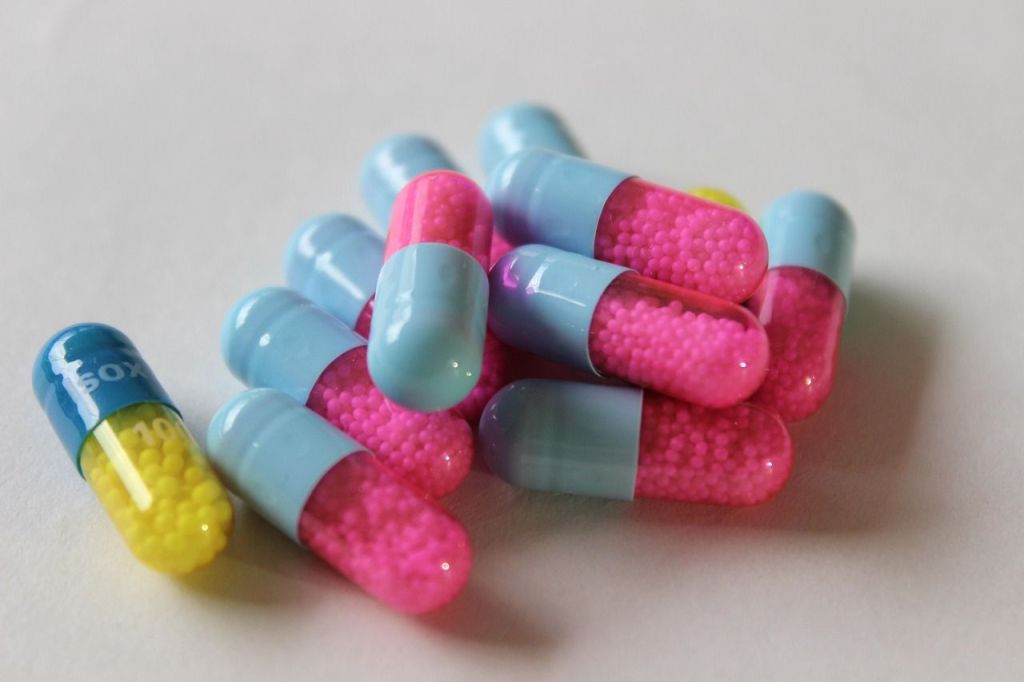
Dr. Sharma read the message twice. A faint smile formed behind his tired eyes. “Maybe,” he whispered to himself, “a new hope is finally on the horizon.”
He looked back toward Ramesh’s room. The dim light glowing through the half-closed door and felt a flicker of optimism return. Perhaps this discovery, born from Indian soil, could rewrite stories like Ramesh’s all across the world.
And with that fragile hope, begins the next chapter, a story not of despair, but of discovery, innovation, and the promise of Naphthimycin, India’s new gift in the fight against antibiotic resistance.
This moment sets the stage for my next blog, exploring how India’s discovery of Naphthimycin could turn the tide against resistant infections and restore hope to countless hospital rooms like Ramesh’s.
Let’s go to science now!
Antibiotic resistance(AMR) is a global health crisis because of overuse and misuse of antibiotics. India has now come into the limelight with a major research and development.
India’s first indigenous antibiotic is Naphithromycin
1. The problem: Antimicrobial resistance in India and globally
Globally, Pathogens are constantly evolving, finding newer, and more complex ways to escape the effects of the antibiotics we once relied on.what was once a simple infection easily cured with standard course of medicine, is now turning into serious, sometimes life-threatening conditions.This growing resistance means that our trusted drugs are slowly losing their power, forcing scientists and doctors into a race against time to discover new treatment before common infections once again become deadly.In India, the burden is particularly heavy. For instance, almost 23% of community pneumonia cases worldwide occur in India.
When common antibiotics stop working, hospitals are forced to turn to last resort drugs that often come with stronger side effects, limited alternatives, and higher costs. That’s why any new antibiotics or treatment approach, like the emerging research on Nephithromycin, draws so much attention.
2. What is Naphthyromycin?
Nafithromycin is being hailed as India’s first fully indigenous antibiotic molecule. It was conceived, researched, developed and clinically validated in India.
The main points about Nephithromycin:
It is targeted for drug-resistant respiratory infections (especially community-acquired bacterial pneumonia, CABP) in adults.
It provides about “ten times the effectiveness” compared to one of the current standards (azithromycin) and “eight times greater lung exposure.”
The course of treatment is relatively short: about 3 days, which is unusual for a serious infection.
It was developed by the private pharma company Wockhardt in collaboration with the Biotechnology Industry Research Assistance Council (BIRAC), a Government of India-run biotech research support.
In short, it is a new molecule, a new medicine that has been developed at home. Which is recognized as a landmark.
3. Why it’s important
Self-reliance in the pharma sector:
India has a major manufacturing hub for generic antibiotics. Developing a novel antibiotic is important in terms of novelty potential and growth of the pharmaceutical sector.
Targeting high-need area:
Respiratory infections caused by drug-resistant bacteria are a major challenge. Especially in vulnerable groups like children, the elderly, immunocompromised, cancer patients, uncontrolled diabetes where standard treatments may fail.
Global relevance:
As antibiotic development around the world has slowed (indeed there has been a “dry spell” in innovative antibiotic categories) any new entrant in the global fight against antimicrobial resistance (AMR) is welcomed.
4. Journey: From concept to launch
According to the report, this development lasted for 14 years and involved an investment of about Rs 500 crore (Indian Rupees).
The clinical trials were conducted in India, the US and Europe.
It was declared as the country’s first indigenous antibiotic in an official government release on 3 December 2024.
The drug is being marketed by Wockhardt under the brand name “Miqnaf.”
Given the high risk, regulatory requirements, and relatively low profit margins compared to many other drugs, this type of long-term investment and collaboration between government support (through BIRAC) and the private sector is essential for antibiotic development.
5. Limitations, precautions and what to look for
While this development is exciting, a few caveats apply:
Market Approval Status: Despite having been launched / announced, regulatory approval, mass scale production and distribution are still the next steps. Some reports have mentioned that it is “awaiting final approval” by the regulatory authority (Central Drugs Standard Control Organisation, CDSCO) for full production / public use.
Antibiotic monitoring is essential: The new antibiotic is only one part of the solution. If it is overused or misused, resistance will re-emerge. India’s previous pattern of antibiotic overuse (in hospitals, in outpatient settings, in agriculture) means that the risk of resistance remains high.
Scope of use: The initial indication is for a specific infection (drug-resistant pneumonia in adults) – not for all infections. Thus, realistic expectations are justified.
Cost and Accessibility: While home development can help reduce costs, how the drug is priced, how widely it is made available to public health systems and rural areas, is very important to the impact.
Global validity: The real test over time will be how well the drug performs in a wide range of real-world settings in the presence of different bacterial strains, geographic areas, and evolving resistance mechanisms.
6. What does this mean for India’s health landscape?
Strengthening Immuno-Compromised Care: This drug has been reported to be beneficial for patients with cancer or poorly controlled diabetes (who are at higher risk of severe infection).
Boost to Biotechnology Ecosystem: It shows that India’s biotech / research institutions and industries are capable of next level innovation (not purely generic) This can encourage more investment, talent attraction and collaborations.
Link to public health strategy: The rollout of such antibiotics must be combined with a broader effort to: monitor resistance patterns, develop a diagnostic framework (to identify which bacteria are resistant and therefore need advanced drugs) and regulate antibiotic use.
Global export potential: If scale and cost-efficiency are achieved, this drug developed in India can serve (or future) global markets, especially in low- and middle-income countries where immunity is high.
7. A word on the broader research landscape
Other promising research is also underway in India;
For example, the Indian Institute of Technology Roorkee has developed a molecule called IITR08367, which helps restore the potency of an existing antibiotic (Phosphomycin) against the very difficult-to-treat pathogen Acinetobacter baumannii by blocking its effluent pump.
And, the innovation environment is changing: improving collaboration, increasing funding, and focusing on AMR.
This parallel track reinforces that naphthromycin is part of a larger movement, not a one-off event.
8. Look ahead: what needs to be done
Rapid growth in production: To meet the demand and get a real-world effect, production must be increased, quality must be maintained, cost must be controlled.
Regulatory vigilance: monitoring for side effects, the emergence of resistance, long-term results.
Pan-India reach: It can be found early in urban hospitals – but rural and under-resourced areas should not be left behind.
Diagnostic support: To use the drug properly, a rapid diagnosis is needed to identify when standard antibiotic therapy is failing / resistant, so naphithromycin is used effectively, not abused.
Education and stewardship: Doctors, hospitals, pharmacies should be guided to rational use of this drug. Excessive use will lead to a rapid decline in its effectiveness.
Further development of the drug: one antibiotic is not enough. Constant research, new classes, combinations, alternative therapies (phage therapy, immunomodulators) should be continued.
9. What you need to know as a health-conscious reader
Remember that antibiotics are not effective for viral infections e.g., many coughs and colds.
If you or a loved one is hospitalized for a serious bacterial infection, especially if past antibiotics failed, ask if new options are available, but use only under medical supervision.
Support good practices: vaccination (reducing infections that require antibiotics) hygiene, infection prevention in hospitals, public awareness of antibiotic misuse.
Be informed: As new antibiotics come out, pay attention to accessibility, affordability, indications and, importantly, how they are being used at the population level.
10.conclusion
The development of Nephithromycin is a big achievement for India’s pharmaceutical and biotechnology sector. It is the first time for India and a promising sign in the global fight against antimicrobial resistance(AMR). It brings together science, national ambition, and a deep need for public health.
The real success isn’t just about discovering this new medicine. It is about what we do next. The true goal is to make sure this antibiotic is used carefully. It reaches the people who really need it, and stays effective for many years. Even the best medicine will not work alone; it needs support from a proper system that watches how it’s used, helps doctors diagnose correctly, encourages responsible use, spreads awareness among people, and keeps research going. Only by working on all these things together can we make this discovery a lasting win for everyone’s health.
The lesson for India is that innovation is important. An implementation is also important. With commitment, naphithromycin could be the first of many domestic success stories that could change how we treat infections not just in India.Not just on a global scale.
 The Science Dialouge
Leave a comment